


Tanzania Safari Four Seasons
Tanzania Safari Four Seasons helps you choose the right time to travel by comparing dry season, green season, calving season, and shoulder season, so you can match your safari to wildlife goals, scenery, pace, and budget.
Tanzania Safari Four Seasons is a practical way to plan safari for international travellers by looking at how the experience changes through the year. Whether you are visiting from the USA, UK, France, Italy, Poland, Germany, or another market, it helps to understand what each season gives you in wildlife viewing, scenery, crowd levels, road conditions, pricing pressure, and overall travel rhythm.
What Tanzania Safari Four Seasons really means
There are not four official safari seasons used everywhere in exactly the same way. In practice, many Tanzania specialists explain the year in four planning windows because that is easier for travellers: a dry season, a green season, a calving season, and a shoulder season. This guide uses that practical structure because it helps you match your trip to what you actually want on the ground.
For example, some travellers care most about dry weather and easier wildlife viewing. Others care more about greener landscapes, fewer vehicles, migration timing, or combining safari with a slower lodge stay. Tanzania Safari Four Seasons planning gives you a better framework than simply asking, “When is the best time?”
Who this Tanzania Safari Four Seasons guide helps most
- First-time safari travellers trying to choose the right month
- Photographers comparing dry light, green landscapes, and migration timing
- Families balancing school holidays, weather, and route comfort
- Couples deciding between a wildlife-heavy trip and a slower safari-lodge feel
- Travellers who want to compare value, not only peak-season popularity
Tanzania Safari Four Seasons at a glance
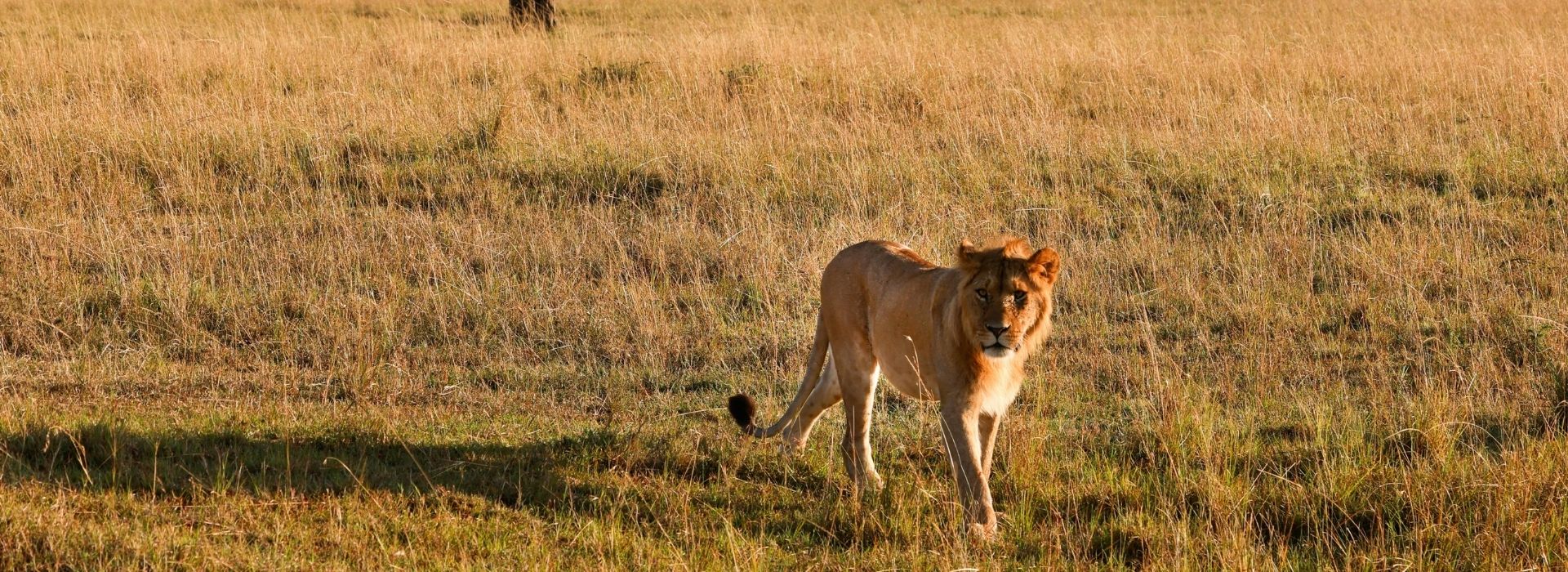
Dry season
Good for first-time safari travellers who want easier wildlife spotting, drier conditions, and a straightforward northern circuit rhythm.
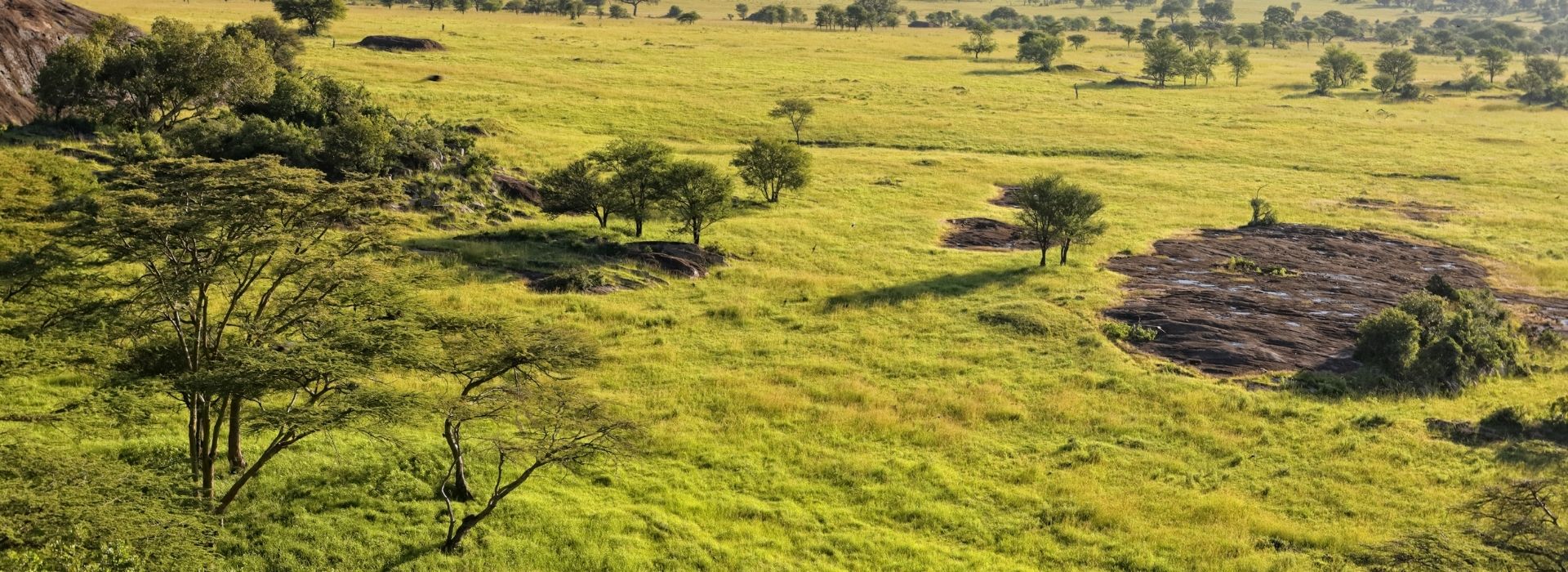
Green season
Good for travellers who want softer scenery, fresher landscapes, and a different mood from peak dry-season safari travel.
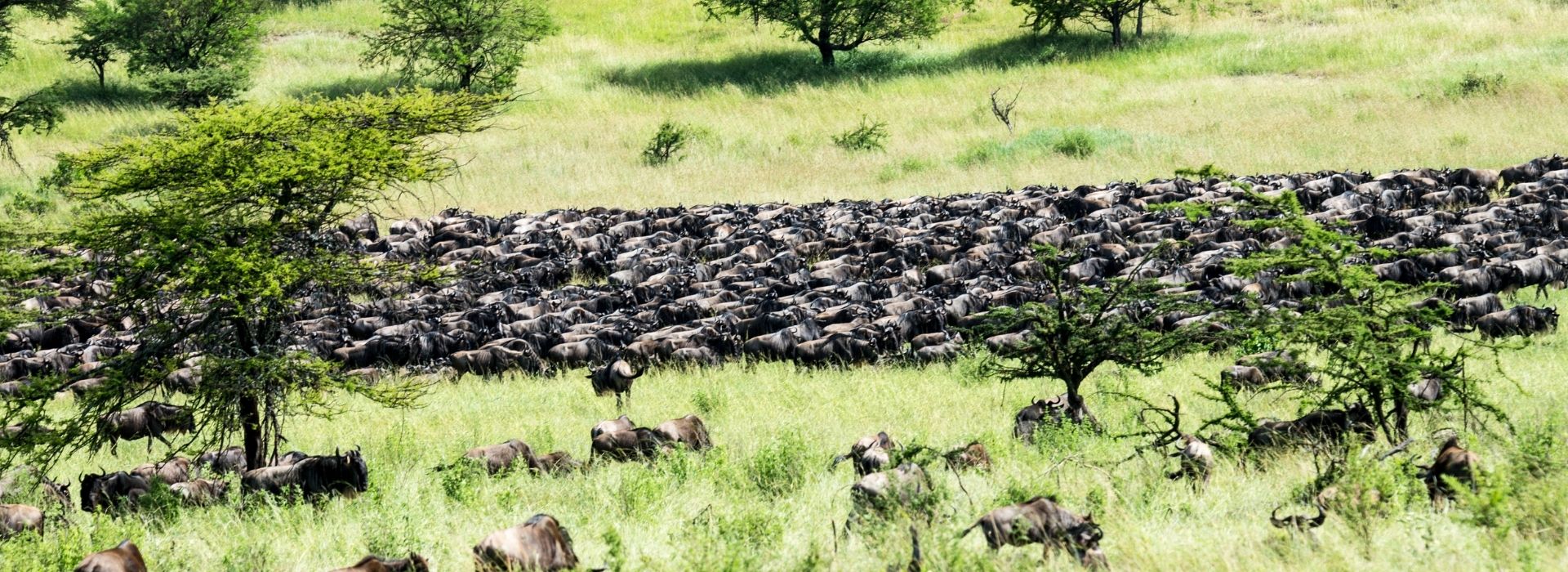
Calving season
Often attractive for travellers interested in migration timing, active wildlife behaviour, and big open plains in the southern Serengeti system.
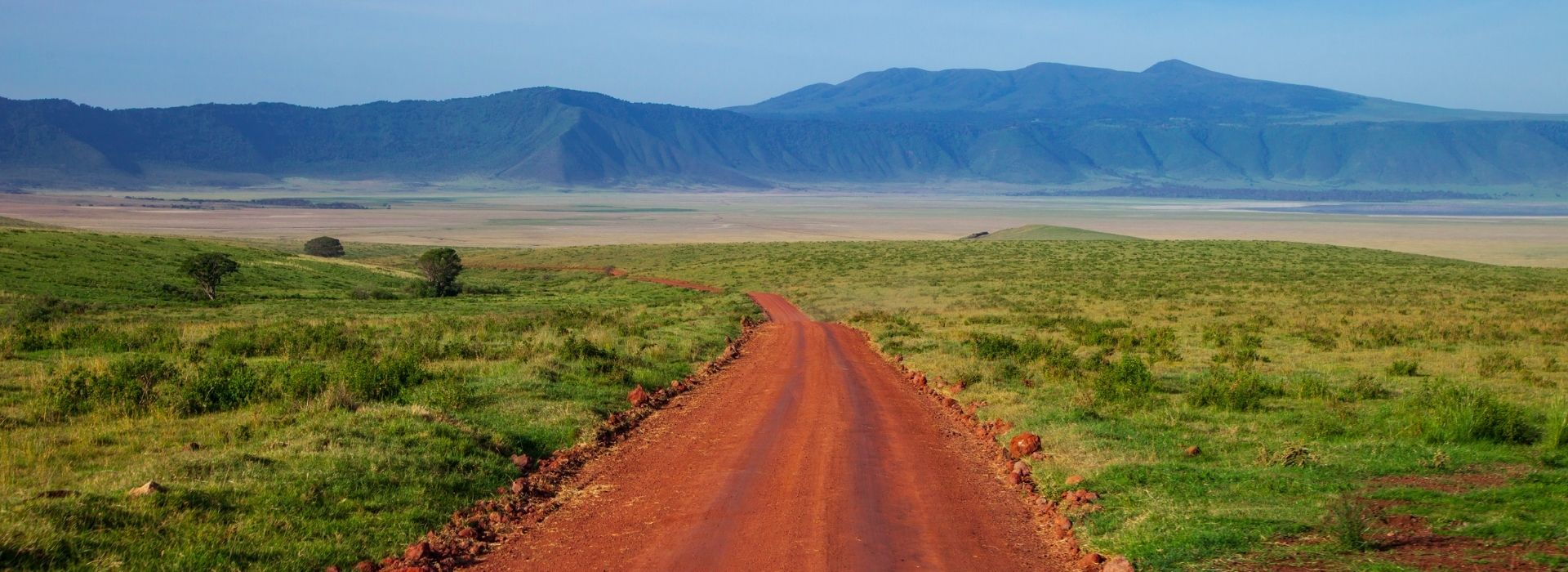
Shoulder season
Good for travellers who understand the rain trade-offs and want to look at quieter travel windows, lodge value, and a different pace.
Dry season in Tanzania Safari Four Seasons planning
For many travellers, the dry season is the easiest season to understand and the easiest season to recommend. Bush cover is often thinner, wildlife can be easier to spot, and safari days usually feel straightforward because roads and daily logistics are more predictable. This is one reason the dry season remains so popular for first-time safari planning.
That does not mean it is automatically perfect for every traveller. Popular dates can bring tighter availability, stronger rate pressure, and busier viewing in famous areas. If your goal is less crowd pressure or greener scenery, another season may suit you better even if the dry season is the most famous.
Why dry season works well
- Good visibility in many wildlife areas
- Comfortable for first-time safari planning
- Strong fit for the northern circuit
- Often easier to explain and compare between operators
Green season in Tanzania Safari Four Seasons planning
The green season changes the visual character of safari. Landscapes feel fresher, skies can be dramatic, and the overall atmosphere is often softer and more photographic in a different way. This is a good season for travellers who do not want Tanzania to feel only dusty, dry, and peak-season busy.
Green season is not the same as saying “bad safari.” It simply means you are choosing a different balance. You may be trading some easy dry-season visibility for richer scenery, a different travel mood, and often a more relaxed feel in parts of the circuit.
Calving season in Tanzania Safari Four Seasons planning
Calving season is one of the most talked-about windows in Serengeti-based safari planning because it often draws travellers who are interested in migration timing, open southern plains, and the energy of a very active wildlife period. It is especially relevant if your route is built around the Serengeti rather than just including it briefly.
This is not the same safari feel as a broad dry-season trip across several parks. Calving season usually rewards travellers who are willing to focus more deliberately on where in the Serengeti ecosystem they want to be and why. If you try to rush too many parks into a calving-season itinerary, you can lose the main advantage of travelling at that time.
Shoulder season in Tanzania Safari Four Seasons planning
Shoulder season is often misunderstood because many travellers hear “rain” and stop planning. In reality, this season can work for people who care about quieter travel windows, different pricing patterns, or a less standard safari atmosphere. It is not the easiest season for everyone, but it can be the right season for the right traveller.
The key is honesty about trade-offs. Road conditions, lodge openings, and day-to-day logistics can be less predictable in heavier-rain periods. If you want the simplest first safari possible, dry season may still be better. But if you value space, mood, and a less crowded travel rhythm, shoulder season deserves a serious look.
Which parks fit Tanzania Safari Four Seasons best?
You do not need exactly the same park mix in every season. Some parks are strong almost year-round, while others become more or less attractive depending on what you want from that season. For many travellers, the northern circuit remains the easiest framework because it is flexible and well understood.
Serengeti National Park
Best if your planning is strongly shaped by migration timing, open plains, and longer wildlife-focused safari days.
Ngorongoro Crater
Good for concentrated wildlife viewing and a strong one-day or short-stop addition to a wider route.

When lodge comfort matters more
If your trip is as much about the full holiday feel as wildlife alone, season choice also affects how you use the lodge. Slower afternoons, scenery from camp, and overall pace can matter as much as game drives.
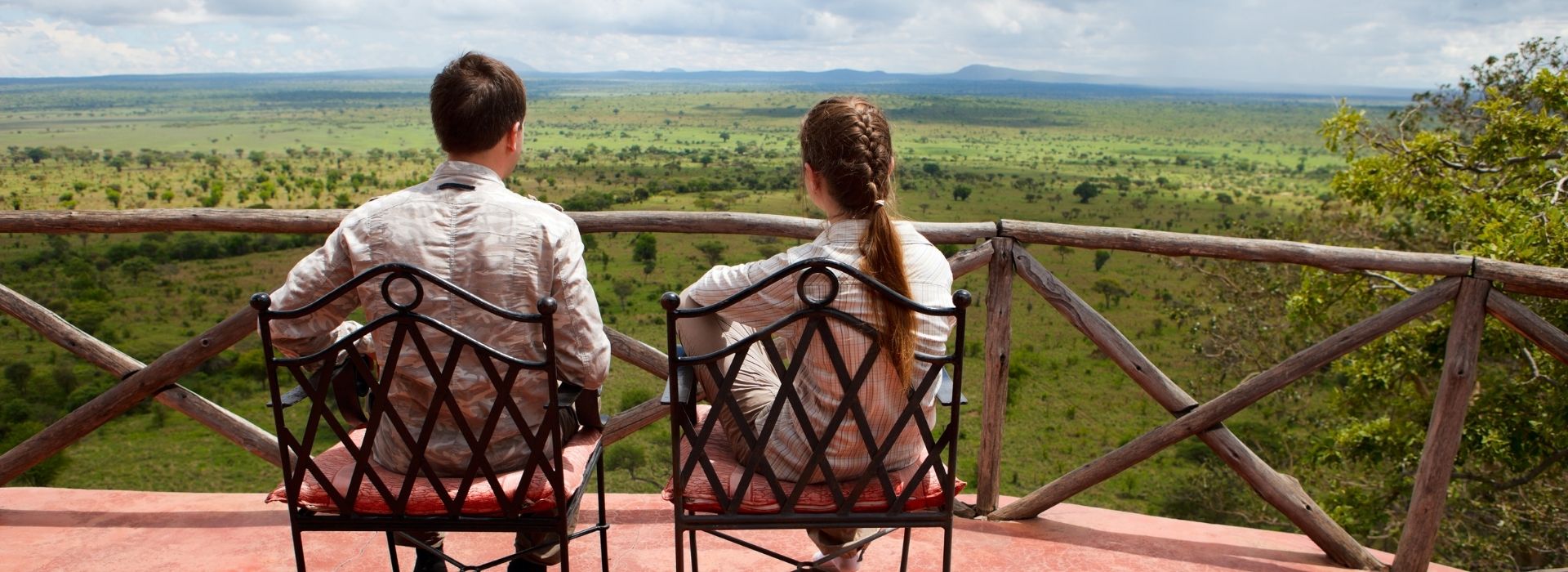
When the season shapes the mood
Couples and honeymoon travellers often care about more than sightings. Season changes the atmosphere of the trip, including scenery, privacy, and the pace between drives.
How to choose the right Tanzania Safari Four Seasons window
A practical way to decide is to rank your priorities. Do you care most about easy wildlife visibility, migration timing, greener landscapes, quieter travel, school holiday dates, or a safari-and-lodge balance? The right season becomes clearer once you stop trying to optimise everything at once.
- Choose dry season if you want the simplest first-time safari rhythm.
- Choose green season if you want fresher scenery and a softer visual feel.
- Choose calving season if Serengeti timing is central to the trip.
- Choose shoulder season if you accept weather trade-offs in return for a different pace.
Ready to compare Tanzania safari ideas by season?
Use SafariUnion to compare route lengths, park combinations, and travel styles, then match them to the season that fits your priorities best.
Tanzania Safari Four Seasons and practical travel planning
Season choice is not only about wildlife. It also affects how you prepare. Entry rules, visa steps, health planning, and official travel advice should be checked before final payment, especially if you are travelling from overseas and planning far ahead. Travellers from the USA, UK, France, Italy, Poland, Germany, and other countries should always confirm the latest requirements from official Tanzania sources and from their own national travel or health authorities.
Trusted planning links
For country-specific advisories, also check your own government travel and health websites before departure.
Common mistakes when planning Tanzania Safari Four Seasons
- Looking for one perfect month. It is more useful to match the season to your priorities than to chase a mythical single best date.
- Ignoring route design. The same season can feel very different depending on how much time you actually spend in the right area.
- Trying to do every park quickly. Seasonal planning works better when the itinerary is realistic.
- Comparing only price. Season affects availability, routing, and lodge value, not only headline cost.
- Leaving official checks too late. Always verify current travel, entry, and health guidance before travel.
Final thoughts on Tanzania Safari Four Seasons
Tanzania Safari Four Seasons is useful because it gives travellers a clearer way to think. Dry season is not always best for everyone. Green season is not automatically a compromise. Calving season is not ideal unless Serengeti timing really matters to your route. Shoulder season is not wrong if you understand what you are trading for.
The best safari season is the one that fits your route, pace, budget, and expectations. Once you understand that, it becomes much easier to shortlist the right itinerary.