


Best month for the Great Migration in Tanzania
The best months for the Great Migration in Tanzania depend on whether you want calving season, huge moving herds, greener landscapes, or northern river-crossing drama, because the migration follows rainfall and shifts through the Serengeti ecosystem across the year.
The best months for the Great Migration in Tanzania depend on what you most want to see. Some travellers want dramatic river crossings. Others want the calving season, greener landscapes, fewer vehicles, or easier all-round game viewing. The most useful way to plan the migration is not to ask for one perfect month, but to match your travel dates to the stage of the movement that matters most to you.
Best Months for the Great Migration in Tanzania at a glance
If your goal is the broadest answer, the strongest migration months usually fall into three useful windows. January to March is best for calving and predator action on the southern plains. June to July is strong for long columns of moving herds and western corridor movement. July to September is often the best period for travellers hoping for dramatic northern river-crossing scenes.
That does not mean the migration disappears outside those dates. It is a year-round cycle. The better question is which phase gives you the safari feeling you want most.
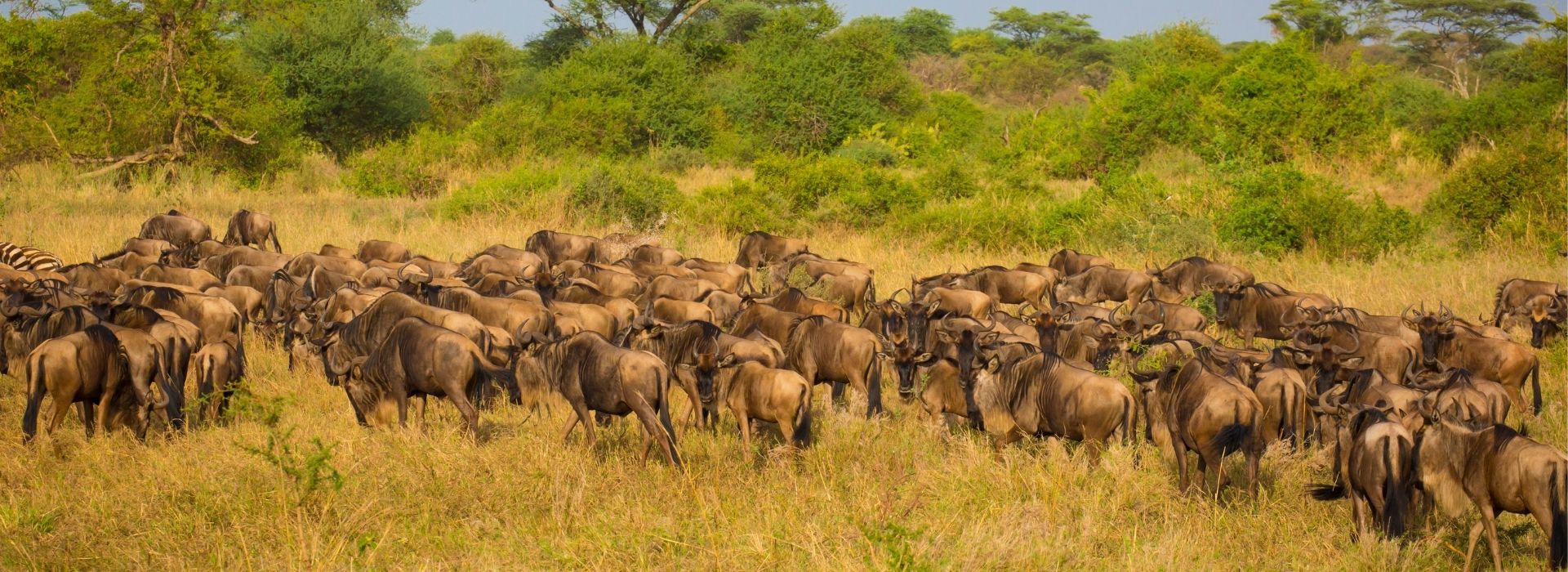
Best migration months by experience
- Best for calving season: January to March
- Best for huge moving herds: May to July
- Best for Mara River crossing interest: July to September
- Best for greener scenery: January to March and November to December
- Best for a balanced first migration safari: late June to September
Why the best months for the Great Migration in Tanzania can change slightly each year
The migration is driven by survival, not by tourist seasons. Wildebeest, zebra, and gazelles follow fresh grazing and water. That is why experienced safari planning always leaves room for seasonal variation. The broad pattern remains reliable, but the exact timing of herd concentrations can shift with the rains.
This matters because many travellers expect one single date window for the whole migration. In reality, the Great Migration is a moving cycle across different parts of the Serengeti ecosystem. You choose the best month by choosing the phase you want to witness.
Best Months for the Great Migration in Tanzania by season and location
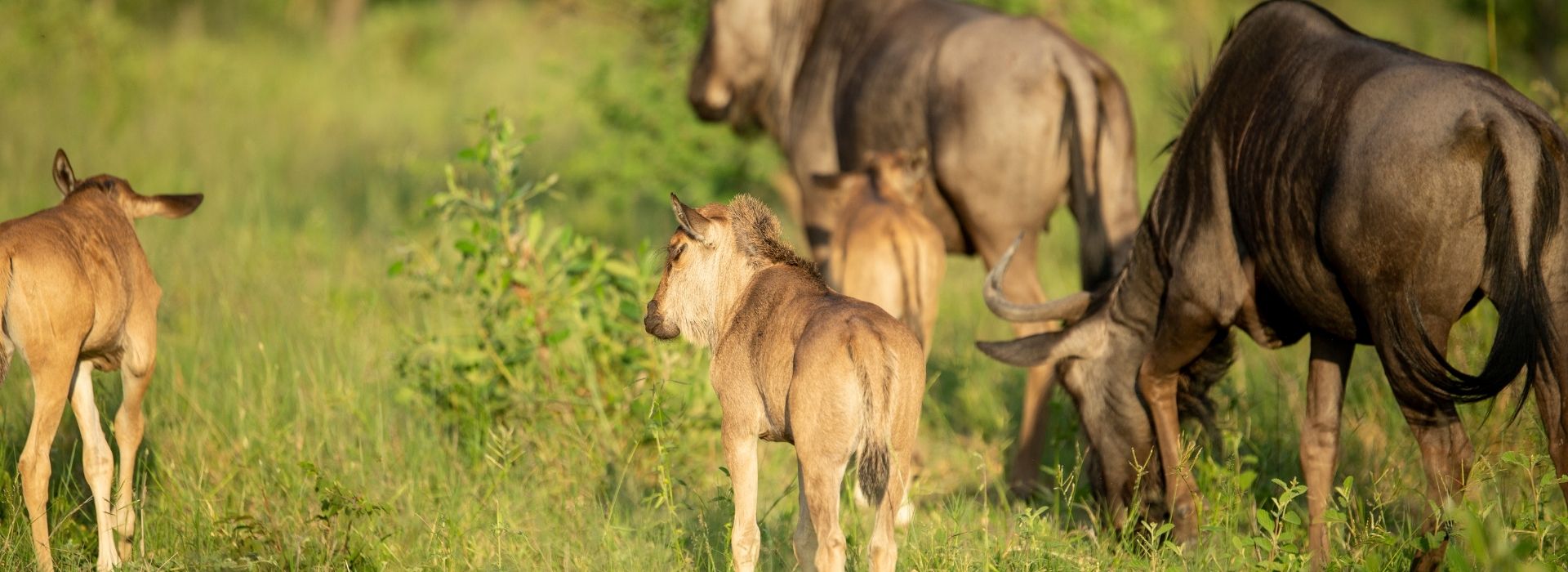
Calving season months
This is one of the most rewarding migration phases for travellers who want newborn wildlife, active predators, green short-grass plains, and strong photography conditions in the southern Serengeti and Ndutu area.
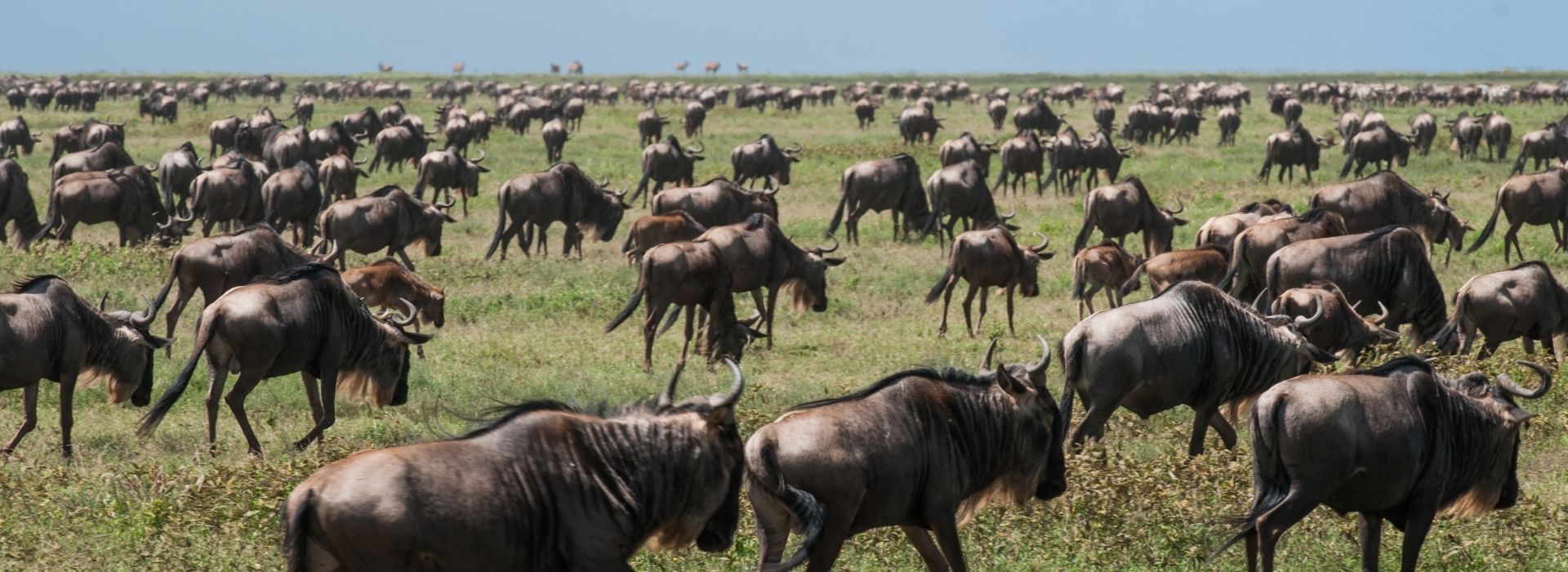
Movement and transition months
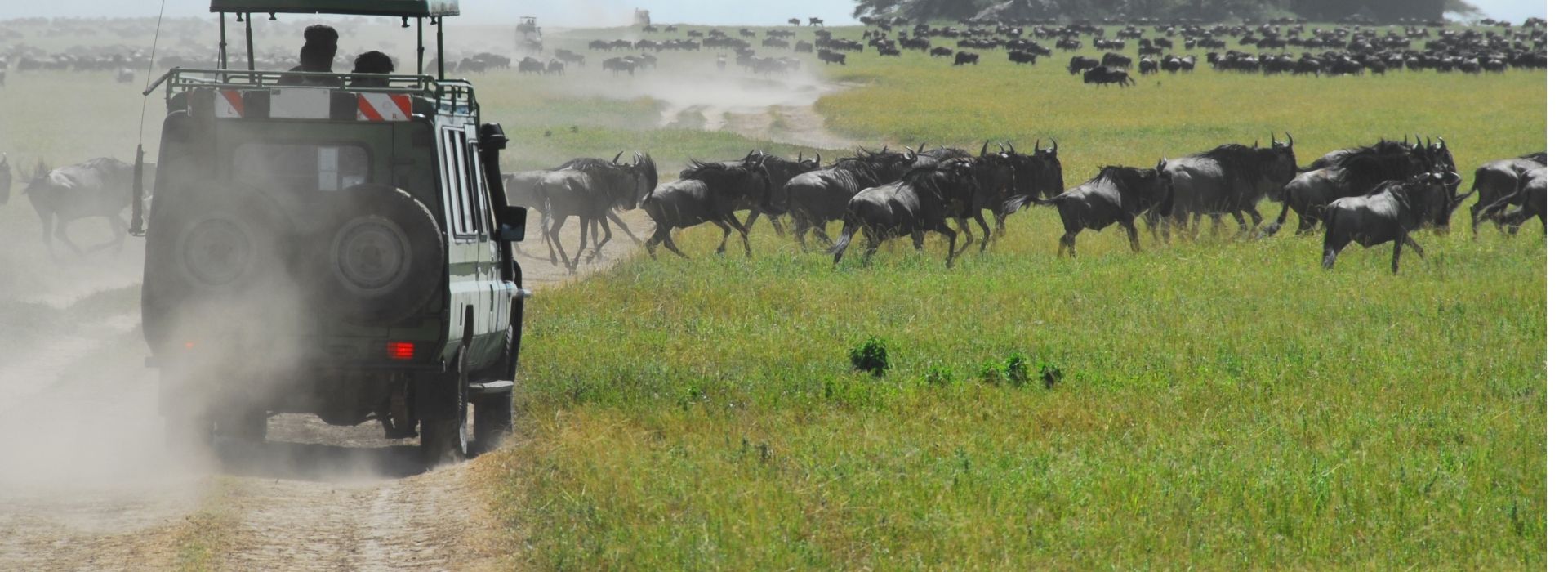
These months are excellent if you want to feel the scale of the migration as the herds gather into long moving columns and push north and west through the Serengeti ecosystem.
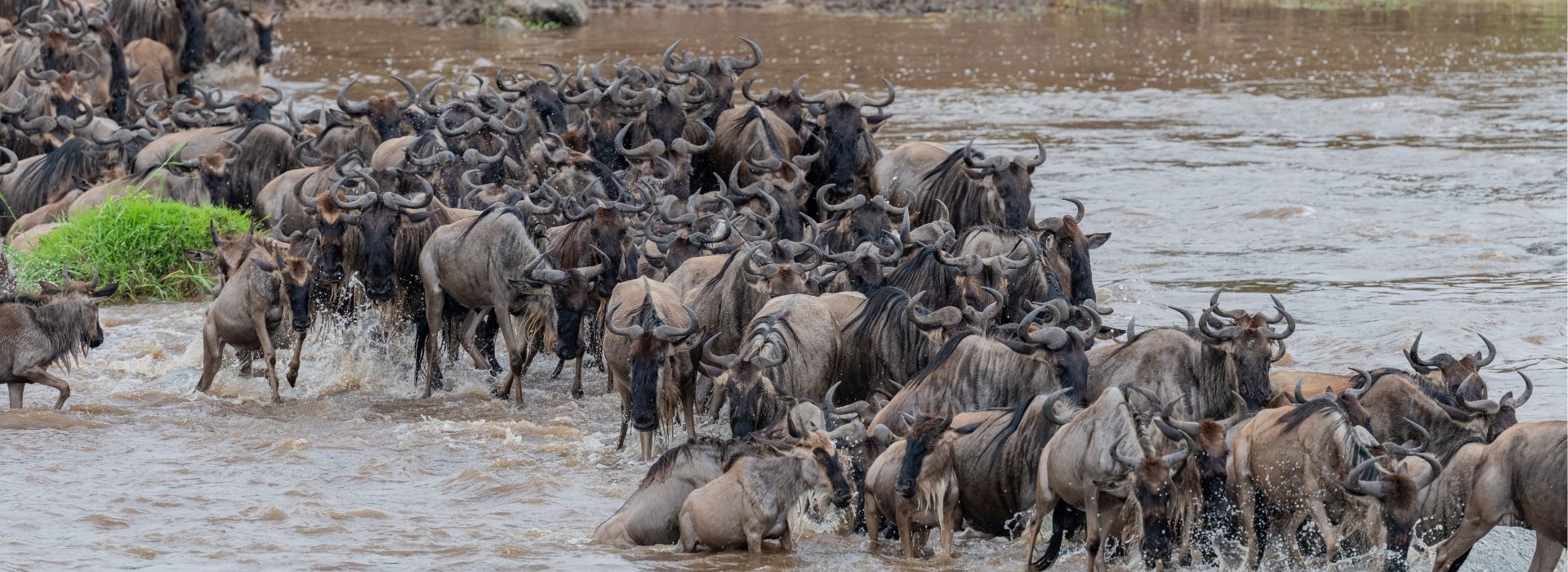
River crossing months
These are often the headline months for travellers chasing high-drama migration scenes. They can be superb, but patience still matters because crossings are unpredictable and may not happen the moment you arrive.
Green return months
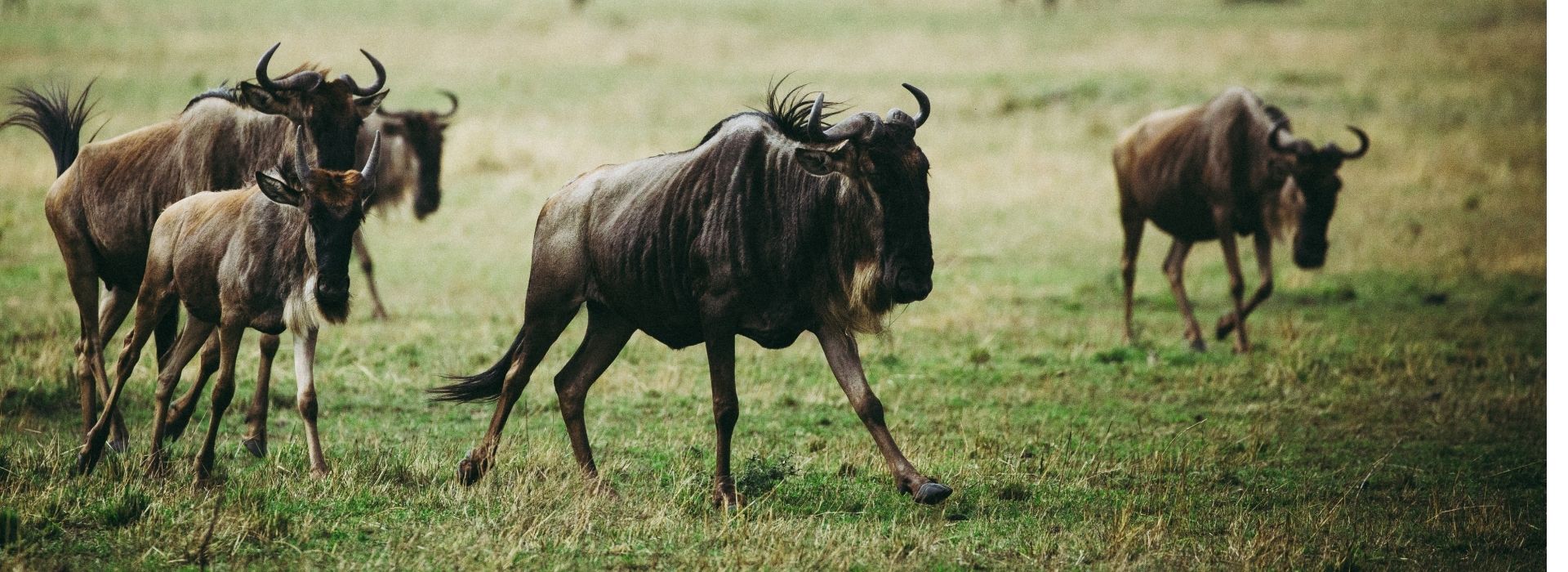
These months can be very attractive for travellers who want a softer, greener migration atmosphere as the herds move back south toward the short-grass plains.
January to March: best months for calving season in Tanzania
If you ask many experienced Tanzania safari planners for the most rewarding migration phase overall, a lot of them will mention the calving season. This is when the herds gather on the southern plains, especially around Ndutu and the southern Serengeti, where nutritious short grass supports newborn calves.
These months are ideal for travellers who care about behaviour, predator-prey interaction, soft green scenery, and photography. February is especially famous because calving often peaks around this time, but January and March can also be excellent depending on the rains and the exact movement of the herds.
Who January to March suits best
- Travellers who want calving and predator action
- Photographers who prefer green landscapes and dramatic wildlife behaviour
- Visitors who do not need river crossings to feel the trip was successful
April to June: transition and build-up months for the Great Migration in Tanzania
By late April, May, and June, the migration starts to feel more like movement than concentration. This is when many herds begin pushing through central and western Serengeti areas. You may not get the nursery feel of calving season, but you gain a stronger sense of scale and flow.
For travellers who want to understand the migration as a journey rather than only one dramatic event, these months can be very satisfying. They are especially useful if you want to combine migration interest with a broader northern circuit safari that may also include Tarangire National Park or Lake Manyara National Park.
July to September: best months for river crossings and northern Serengeti drama
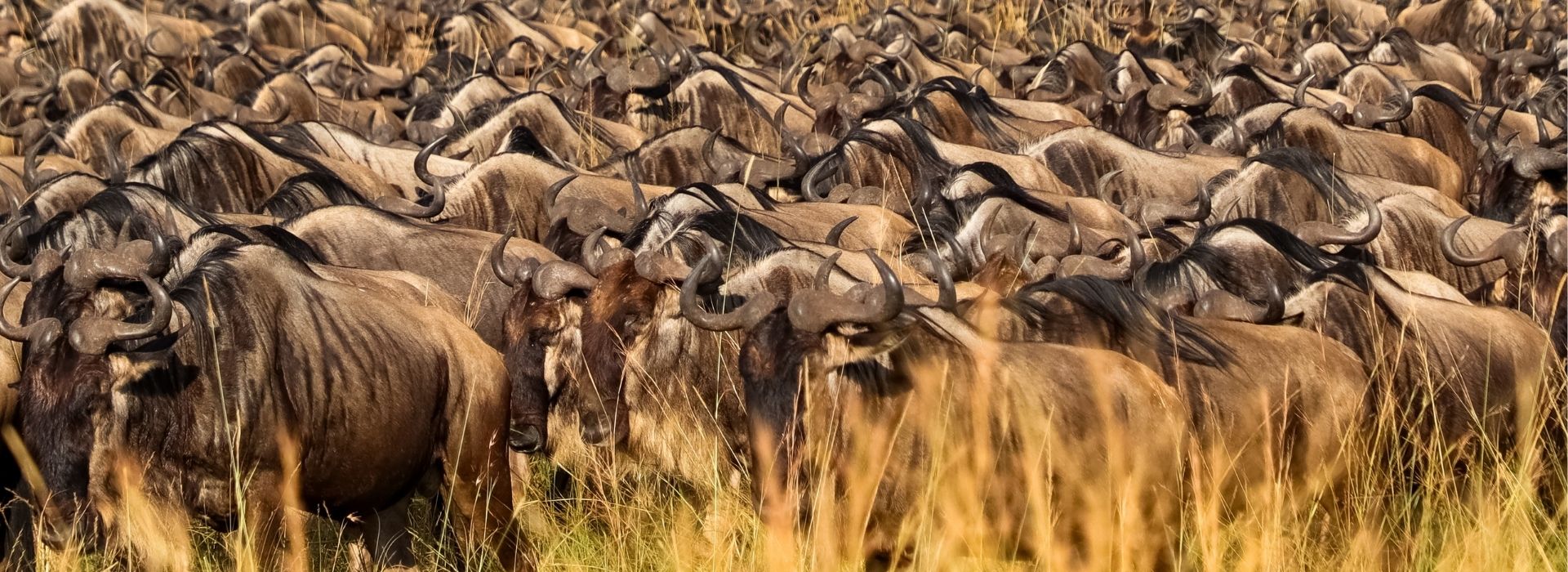
For many travellers, these are the most famous migration months because they are linked to northern Serengeti herd concentrations and the possibility of Mara River crossings. If your dream is to watch thousands of wildebeest bunching on the riverbank and then suddenly committing to a crossing, this is usually the best general window.
That said, travellers should go in with realistic expectations. River crossings are not scheduled performances. A herd may stand for hours, split, cross suddenly, or move away. The reward can be extraordinary, but patience and good guiding matter more than chasing one guaranteed moment.
Why late July to September is so popular
- Higher chance of northern Serengeti migration action
- Good dry-season game viewing conditions in many areas
- Excellent fit for first-time travellers who want a classic migration safari
October to December: often overlooked months for the Great Migration in Tanzania
These months are sometimes underestimated because many travellers focus only on the river crossings. But October, November, and December can still be rewarding. The herds begin shifting again, and the landscape often changes with the return of greener conditions. This can suit travellers who want a migration-themed safari without focusing only on one northern crossing window.
November and December can work especially well for travellers who like softer green scenery and a less one-dimensional migration story. You are not always chasing one river event. You are watching the wider cycle reset.
Are the best months for the Great Migration in Tanzania the same for everyone?
No. The best month depends on your travel priorities.
- Choose January to March if you want calving, green scenery, and predator behaviour.
- Choose May to June if you want to feel the movement building through the ecosystem.
- Choose July to September if river-crossing potential is your highest priority.
- Choose November to December if you want a greener, transitional migration atmosphere.
Ready to compare migration safari ideas?
Use SafariUnion to compare routes, trip lengths, and Serengeti-focused itineraries before contacting an operator. This helps you match your safari to the migration phase you actually want to see.
Dry season vs green season for a migration safari in Tanzania
A migration safari is not only about herd location. It is also about the kind of trip you want to have. Dry-season months are often easier for all-round game viewing because vegetation is thinner and wildlife can be easier to spot. Green-season months can feel more scenic, fresher, and more atmospheric, especially for photographers and repeat visitors.
Why dry season works well
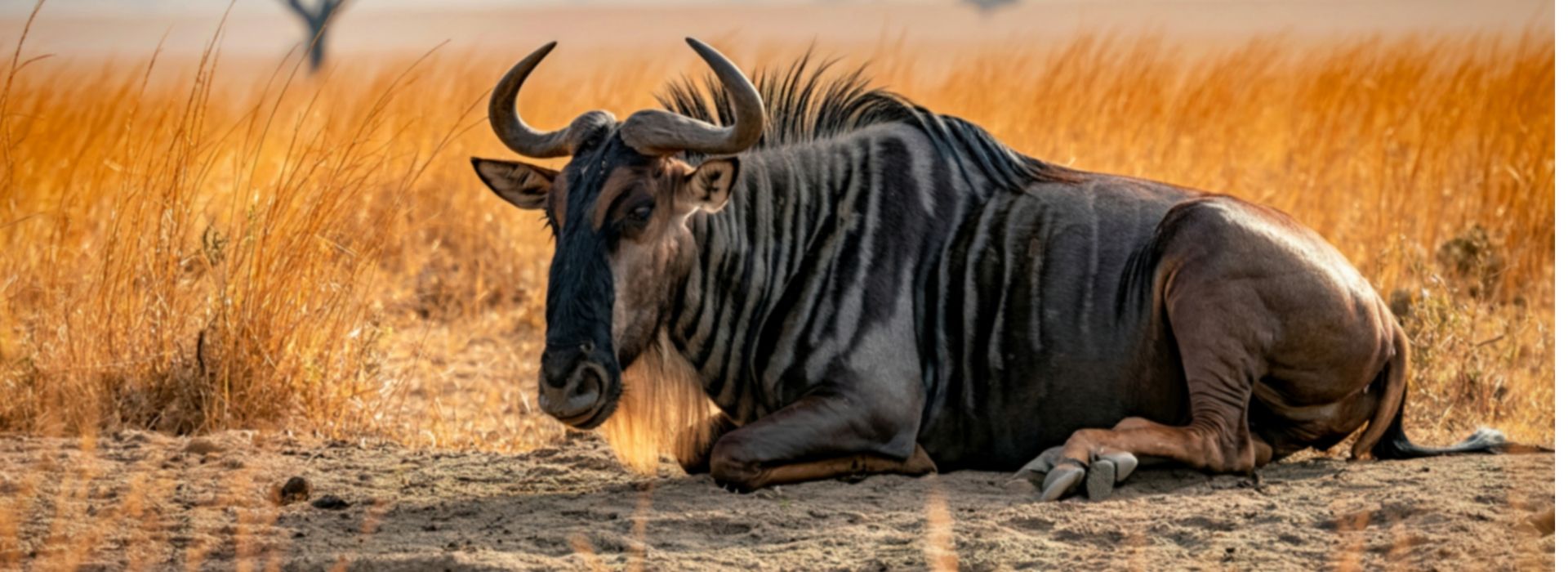
Dry months usually make game drives feel more straightforward, and they align well with popular migration movement and crossing periods in some areas.
Why green season can be excellent
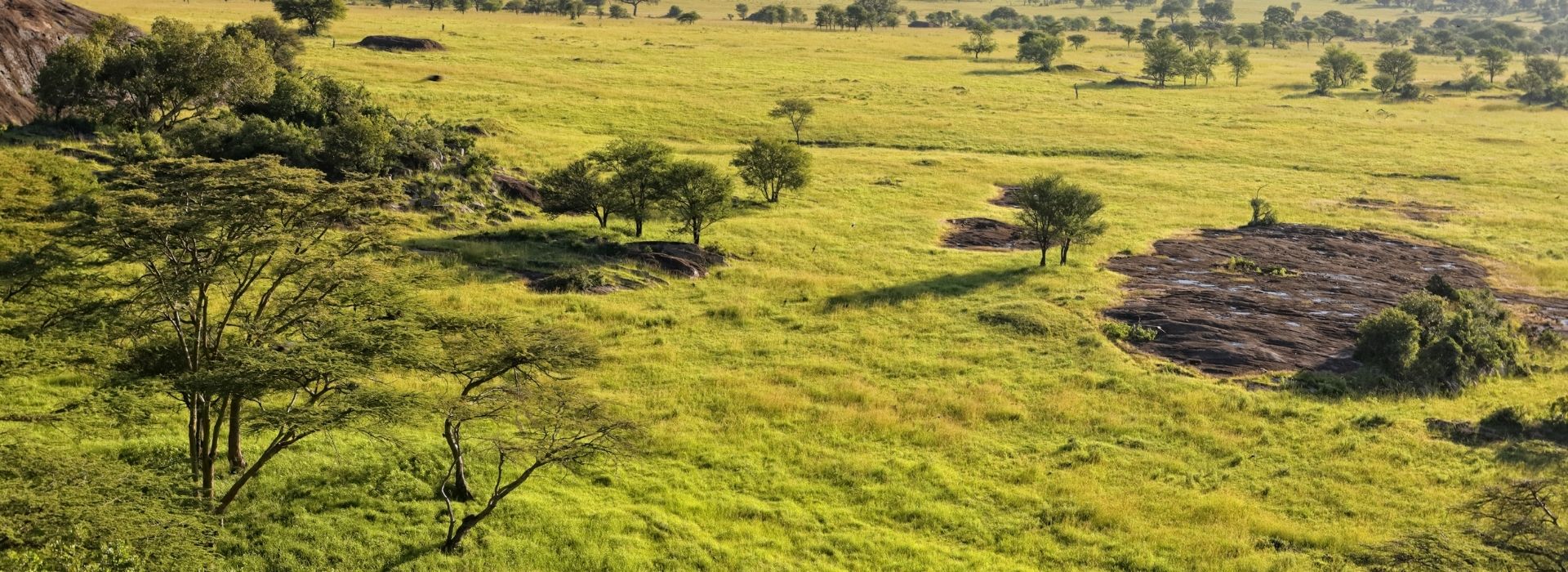
Green months often feel richer in atmosphere, and they pair especially well with calving season, birdlife, cloud drama, and a more photographic style of safari.
Where should you stay for the best months of the Great Migration in Tanzania?
The answer depends on the month. Southern plains camps suit calving season. Central and western Serengeti locations work better for the transition phase. Northern Serengeti camps matter most if river crossings are your priority. This is why a safari can look good on paper but still be weak if the lodge location does not match the migration phase.
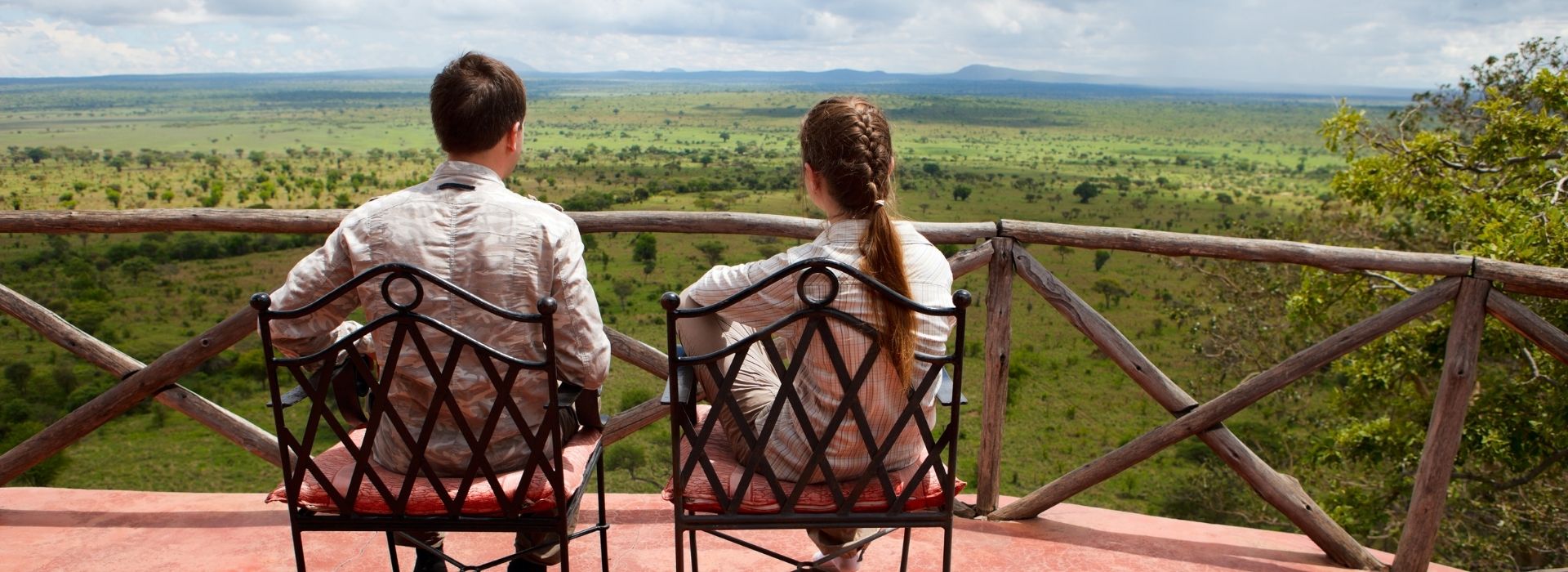
If comfort matters as much as wildlife, consider how camp or lodge choice affects the experience. A good migration safari is not only about one sighting. It is also about how well your route, drive times, and lodge positioning fit the season.

Trusted planning resources for the Great Migration in Tanzania
Migration planning is easier when you use reliable background sources, especially for park information, travel logistics, and current entry requirements.
- TANAPA Serengeti National Park
- UNESCO Serengeti National Park
- Tanzania official eVisa portal
- Tanzania Immigration e-Services
- WHO yellow fever guidance
Final answer: what are the best months for the Great Migration in Tanzania?
If you want the simplest answer, the best months are usually January to March for calving and predator action, and July to September for northern river-crossing potential. But the smartest answer is more specific: the best month is the one that matches the migration phase you care about most.
For many travellers, the best safari happens when they stop chasing a single famous photo and instead book the part of the migration cycle that fits their real interests, comfort level, and travel dates.